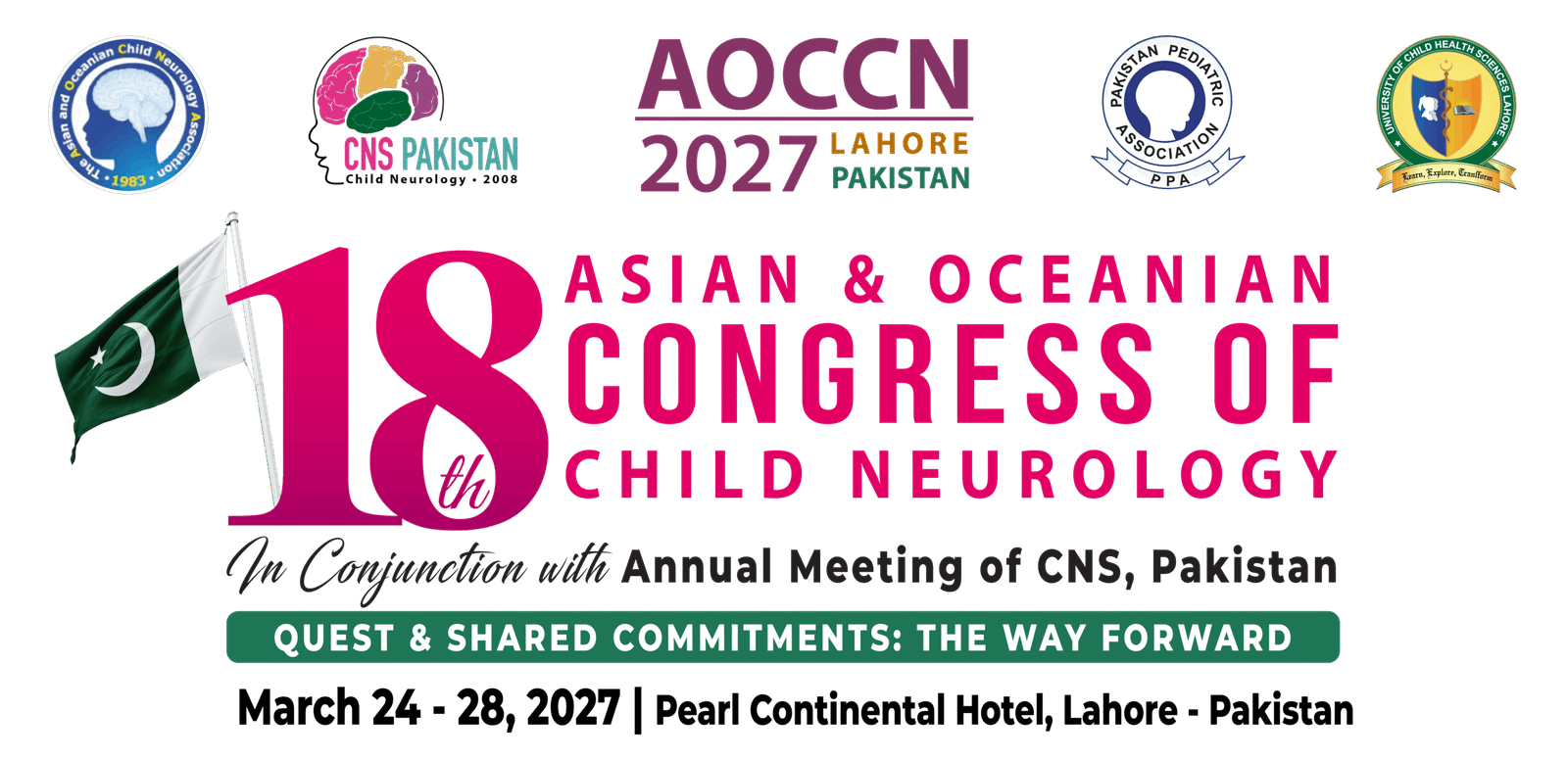
| Deadline for symposia submission September 30, 2026 | |
|---|---|
| Session Title: | Metabolic Epilepsy |
| Session Category | |
| Please mark your proposed session: |
|
| Focal Organizing Person: | The Saudi Pediatric Neurology Society |
| Chairperson: | Prof.Fahad Bashiri |
| Co-Chairperson 1: | Dr.Khalid Hundallah |
| Co-Chairperson 2: | Dr.Osama Muthaffar |
| Co-Chairperson 3: | Dr.Majed Aziz |
| Designation of (Focal Person, Chairperson, Co-Chairpersons) | |
| Focal Person: | The Saudi Pediatric Neurology Society |
| Chairperson: | MD |
| Co-Chairperson 1: | MD |
| Co-Chairperson 2: | MD |
| Co-Chairperson 3: | MD |
| Contact Details of Focal Organizing Person: | |
| Institution/Organization: | King Abdulaziz University |
| Email Address: | Email hidden; Javascript is required. |
| WhatsApp Number: | +966503008555 |
| Country: | Saudi Arabia |
| Session Details: | |
| Title: | Metabolic epilepsy |
| Abstract of the Session: | (Provide a brief abstract of the session including the theme, objectives, and key takeaways. Max 200 words) |
| Abstract: | This session will be delivered by four distinguished experts in the field. Prof. Fahad Bashiri, Consultant Pediatric Neurologist at the College of Medicine, King Saud University in Riyadh, Saudi Arabia, will open the session with a focus on early recognition of metabolic epilepsies. Dr. Osama Muthaffar, consultant of Paediatric Neurology at King Abdelaziz University, will explore the expanding diagnostic power of genomics and metabolomics. Dr. Khalid Hundallah, Consultant Pediatric Neurologist at Prince Sultan Military Medical City in Riyadh, Saudi Arabia, will present an update on treatable metabolic epilepsies. Dr.Majed Aziz, consultant pediatric neurology at Sheikh Khalifa Medical City will conclude by taking about a common mitochondrial diseases and epilepsy |
| Key Speakers/Panelists: | (List of key speakers or panelists who will be part of the session, including their affiliation and designation) |
Speaker-1: | |
| Brief Introduction of Speaker-1 | Prof. Fahad Bashiri Consultant Pediatric Neurologist President of Saudi pediatric neurology society College of Medicine, King Saud University Riyadh, Saudi Arabia |
| Title of Topic: | “Metabolic Epilepsies: When to Suspect?” |
| Abstract of Topic: | “Metabolic Epilepsies: When to Suspect?” Speaker: Prof. Fahad Bashiri |
Speaker-2: | |
| Brief Introduction of Speaker-2 | Dr. Osama Muthaffar Consultant Pediatric Neurologist Associate Professor of Pediatric Neurology King Abdelaziz University Jeddah, Saudi Arabia |
| Title of Topic: | .“The Expanding Role of Genomics and Metabolomics in Epilepsy Diagnosis” |
| Abstract of Topic: | .“The Expanding Role of Genomics and Metabolomics in Epilepsy Diagnosis” Speaker: Dr. Osama Muthaffar |
Speaker-3: | |
| Brief Introduction of Speaker-3 | 1- Dr. Khalid Hundallah Consultant Pediatric Neurologist Vice president of Saudi pediatric neurology society Prince Sultan Military Medical City Riyadh, Saudi Arabia |
| Title of Topic: | Overview over Treatable metabolic epilepsies |
| Abstract of Topic: | Overview over Treatable metabolic epilepsies: Dr. khalid hundallah |
Speaker-4: | |
| Brief Introduction of Speaker-4: | 3- Dr. Majed Aziz Consultant Pediatric Neurologist Sheikh Khalifa Medical City, Abu Dhabi, United Arab Emirates |
| Title of Topic: | Mitochondrial diseases and epilepsy |
| Abstract of Topic: | Mitochondrial diseases and epilepsy : Dr. Majed Aziz Primary mitochondrial diseases are relatively common inborn errors of energy metabolism. It affects tissues with high energy requirements, including the brain. It disrupts energy production and impairs the balance between excitatory and inhibitory processes making seizures more likely. In this talk, Dr. Aziz will review the link between mitochondrial disease and epilepsy. He will talk about the prevalence of epilepsy in mitochondrial diseases, seizures types and treatment challenges. He will touch on specific conditions like MERRF, MELAS and Alpers syndrome. The management and treatment of mitochondrial epilepsy need to be personalized for each patient, due to the variability of phenotypes that mitochondrial patients may present. |
| Focal person shall be responsible for all the communications amongst the speakers/panelists. Conference registration fee shall be waived off after the acceptance of the proposal. However, it is mandatory to register for all the speakers well in time along with all the logistics. |